

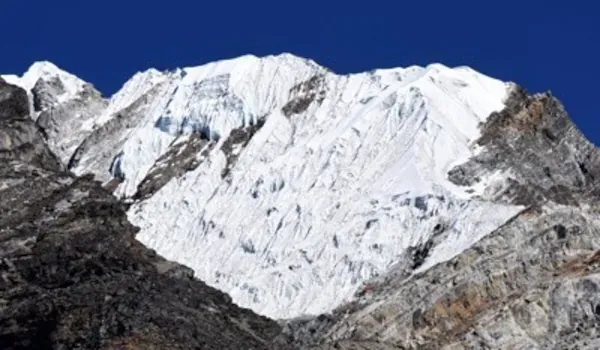
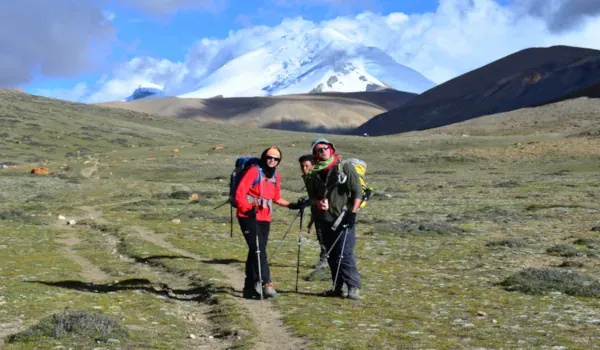
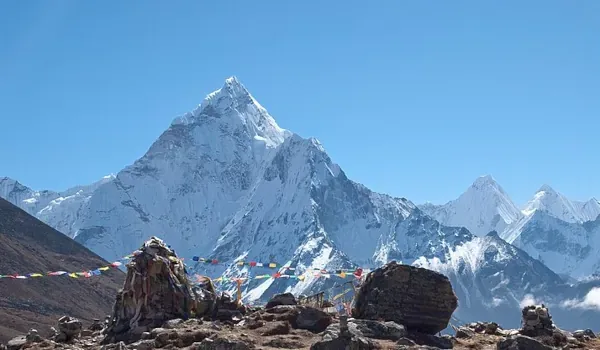
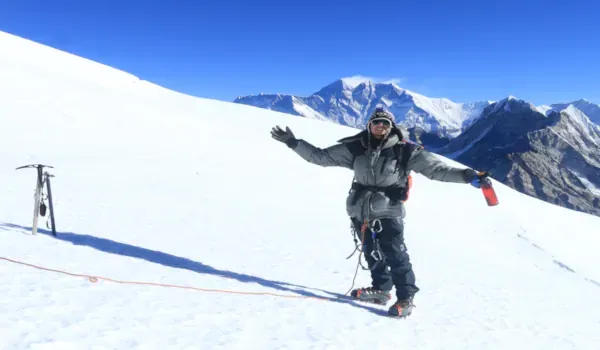
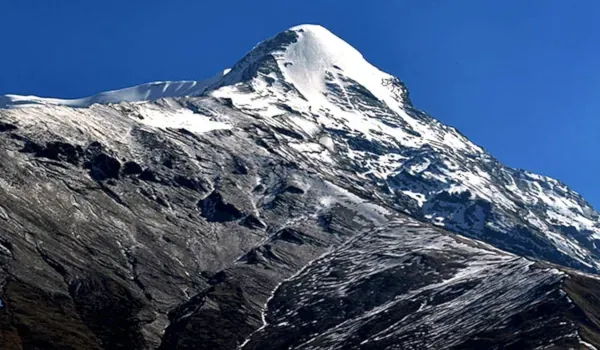
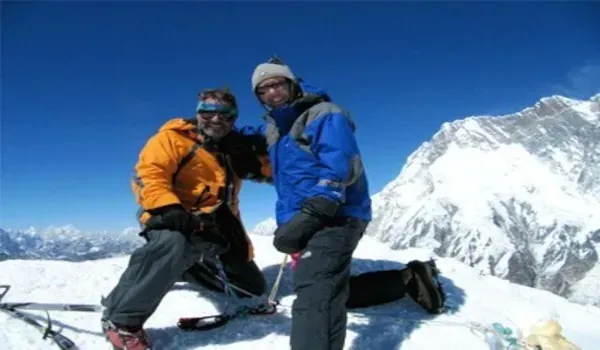
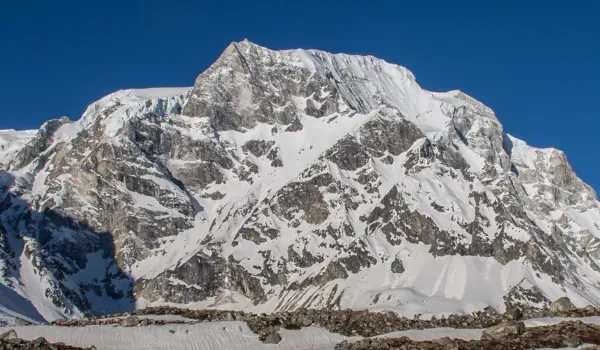
Peak climbing in Nepal is one of the most rewarding adventure experiences for those who dream of stepping into the world of the Himalayas. It combines trekking through remote mountain landscapes with the excitement of standing on a summit above 5,000 meters. For many travellers, it becomes a life-changing journey filled with challenge, beauty, and lasting memories.
Nepal is home to more than 1,500 peaks above 5,000 meters, offering a wide range of climbing options for beginners as well as experienced mountaineers. Some of these peaks are classified as “trekking peaks” and are managed by the Nepal Mountaineering Association, which has been issuing climbing permits since 1978. Other peaks fall under government jurisdiction and require separate permits.
Most peak climbing adventures are combined with classic trekking routes, making the experience even more diverse and scenic. Popular regions include Everest, Annapurna, Langtang, and Manaslu, each offering its own unique landscapes, cultures, and climbing challenges. Well-known climbing peaks include Mera Peak, Island Peak, Lobuche Peak, Pokalde Peak, and Nirekha Peak in the Everest region; Yala Peak in the Langtang region; Larke North Peak in the Manaslu region; and Pisang Peak, Chulu West and Chulu East, Tent Peak, and Thapa Peak in the Annapurna region.
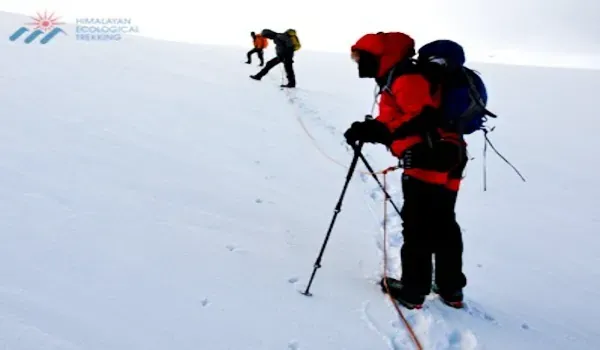
A good level of physical fitness is important for all peak climbing adventures, as trekkers will be walking long hours in high-altitude conditions. However, many of the popular trekking peaks do not require prior technical climbing experience, making them accessible to motivated beginners with proper guidance and preparation.
Peak climbing is more than just a sport. It is an opportunity to experience the Himalayas in a deeper and more personal way, pushing your limits while surrounded by some of the most breathtaking scenery on earth. For detailed information, itineraries, and support, you can contact Himalayan Ecological Trekking.