Why Trek in Nepal During Winter?
Winter season is one of the lesser-known trekking seasons in Nepal. The trails which witness thousands of people during the months of October and November witness fewer number of travelers from December to February especially on the less-travelled tracks
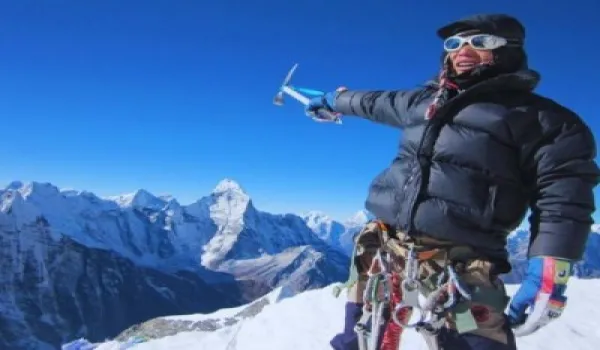
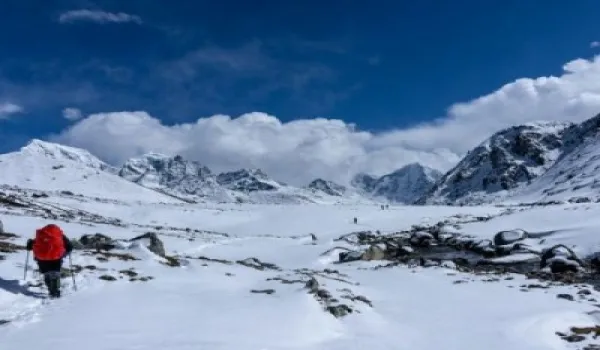
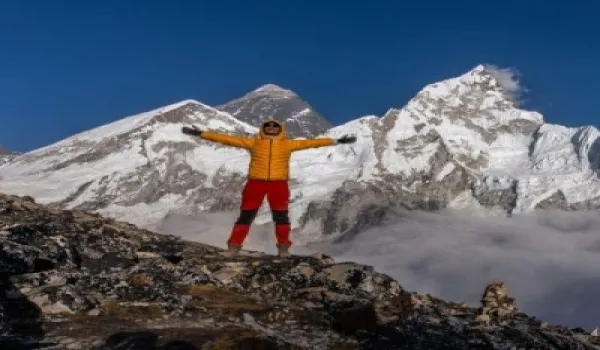
The colder conditions also create a different atmosphere in the mountains. Clear winter days can provide excellent visibility, and higher landscapes may be covered in snow after a winter weather system.
For those who love trekking in the lesser traveled trails and prefer cold weather, winter season is the perfect time to visit Nepal. It is specially recommended for those who are seeking:
- Quieter trails and mountain villages
- Clear Himalayan scenery on suitable days
- Snowy landscapes at higher elevations
- A trekking experience outside the busiest seasons
- Shorter or moderate-altitude routes
- A more peaceful pace of travel
The key trade-off is the cold. It can get very cold in the mornings and evenings, and conditions become more difficult as you ascend to higher altitudes. Some of the high altitude trails can be affected by snow and ice.
Therefore, winter should be viewed as a distinct season for hiking with its own requirements‚ not simply as a cheaper or less crowded option compared with hiking in the autumn․
When Is Winter in Nepal?
For trekking purposes, winter mainly covers December, January and February. These months see temperatures drop across the country, especially at higher altitudes where nights can be freezing. Lower-altitude trails may remain accessible and pleasant in clear weather, but higher mountain passes and trails can have snow, ice and frozen ground.
Trekking conditions vary from region to region and from week to week. The lower hills and mid-altitude routes can be good options for winter trekking, but routes above 3,500–4,000 m require more careful preparation because of the possibility of snow, ice and freezing temperatures. Snowfall is not guaranteed on every route, so check local conditions before setting off. The best month for trekking depends on the region and altitude you’re interested in and how well prepared you are for cold conditions.
December
December is the beginning of winter in Nepal. It is usually dry and the mountain ranges are visible on clear days. Mornings and evenings start to get colder, especially at higher elevations. Low and medium altitude routes are ideal for those who wish to witness the Himalayas but do not want to spend a night at high elevations. So don’t forget to pack warm clothes and arrange for accommodation in advance if your mountain trekking route passes through remote mountain villages.
January
January is usually the coldest month in Nepal. At higher altitudes, freezing temperatures and snow can have a more effect on trail conditions and daily walking. Allocate extra time for challenging sections, gather information about conditions before setting out and if you have limited experience with winter trekking, do not forget to consider options for descending to lower altitudes.
February
February is another winter month in Nepal. There is still cold weather at higher elevations where snow and ice may persist. Days in lower areas may be warm, but mornings and nights may still be cold. Keep your winter clothing and check trail conditions rather than assuming higher routes have become easier.
Which Winter Month Should You Choose?
There isn't one winter month that is best for all treks. December might be suitable for travellers who want clear views of the mountains and prefer quieter paths, January is better approached with extra preparation for severe cold and in February milder conditions can be expected as a slow shift at lower altitudes. So these are only general trends and not guarantees since the weather differs from place to place and from year to year.
Winter trekking conditions in Nepal are affected by altitude. A route around 2,500 m can have very different conditions from one that above 4,000 m during the same week. Before book your trek, check current trail conditions, make sure teahouses along your way will open or not and plan few extra days in case of bad weather delaying your trek.
Best Winter Treks in Nepal
All trekking routes are not equally suitable in winter weather. Lower and mild elevation trails are generally less difficult to manage, even as high elevation and high pass trails are additionally dependent on recent snowfall, climate and trail conditions.
Some of the most popular winter trekking options include:
1. Ghorepani Poon Hill Trek
The Ghorepani Poon Hill Trek is an excellent moderate-level Himalayan trek for beginners, inexperienced trekkers and those who want to experience the winter time in the mountains without having a serious high-altitude trip. This trail involves visiting a forested mountainous region and several traditional mountain villages inhabited by the Gurung and Magar ethnic groups of the Annapurna region. The trek is highly recommended for wintertime visiting, although the mornings and evenings can be cold and some parts of the trail might be covered with ice and snow.
This trek offers wonderful views of the sunrise over the Annapurna and Dhaulagiri massifs, as well as the Fishtail peak of Machhapuchhre on a clear morning. Although wintertime in the Annapurna region can be an incredible experience, as the trails are less crowded by other travelers due to the tough climate, the morning fogs and potential cloudy weather might unclear the views of the mountains. Must keep in mind that climbing up the trail to the highest point of the Poon Hill might be very cold and the gear should be worn accordingly: thermal clothes, thick socks and gloves, a hat or a beanie, and boots with a good grip are necessary.
The teahouses are available on this trail, as it is a popular route during the wintertime. Nevertheless, some guesthouses may close due to bad weather, and certain sections of the trail could become unsuitable or dangerous for inexperienced hikers. Those who wish to explore more of the Himalayan trails might consider a longer and more challenging Annapurna Base Camp trek or Annapurna Circuit Trek, which are available in the region. Both of these trekking routes are considered to be serious Himalayan expeditions, requiring a more profound knowledge of the mountains and the preparation for a challenging and difficult winter season.
For those who wish to experience the mountainous region, the local villages and the view of the Himalayas without spending too much time on the trail, Ghorepani Poon Hill is an excellent choice that provides those with the breathtaking experience of the Himalayan sunrise, as well as the snow-covered mountain peaks and a unique cultural experience of visiting the local villages.
2. Everest Panorama Trek
The Everest Panorama Trek is a great option for people who want to see the Everest region in winter without doing the full Everest Base Camp trek. This trail goes through Sherpa villages, green hills and Buddhist monasteries which gives you a chance to experience the local culture and way of life in the Khumbu region. Despite this is a shorter trekking route compared to others in the region, the cold winter weather, high-altitude viewpoints and possible slippery paths can make some sections more demanding.
As you trek through this beautiful region, you will get to see breathtaking views of towering peaks, including Mount Everest, Ama Dablam, Lhotse and Thamserku when the weather is clear. Namche Bazaar is the Khumbu region’s main trading hub and offers insight into Sherpa culture and their daily life. It is also an important resting point on the trekking route, where trekkers can experience local shops, cafes and mountain lodges. Just above Namche Bazaar, the Everest View Hotel in Syangboche offers a wonderful place to take in views of Mount Everest and the surrounding peaks on a clear day.
Mornings and evenings can be very cold during winter and some sections of the trail may be slippery due to frozen snow or ice, so take care on the walk. The mountain lodges that are located at higher altitudes may be shut during the offseason, so check accommodation availability before setting out and the flights to and from Lukla may be either canceled or delayed depending on the weather condition. It is very important for you to pack yourself in warm clothes and comfortable walking shoes.
For those who enjoy the beauty of the mountainous landscape, the fascinating Sherpa culture and village life but who want to avoid the more tough aspects of the longer Everest Base Camp Trek, the Everest Panorama is an excellent choice of trail during the winter season. Before starting the journey, check out the conditions of the trails and ensure you are well prepared for cold mountain weather. Although this trekking trail is not as difficult as the usual EBC trail, it still requires good preparation and some flexibility during the winter season.
3. Pikey Peak Trek
The Pikey Peak Trek is another good option for winter trekkers looking for a mountain adventure in Nepal. It takes you through the quieter parts of Solukhumbu and traditional Sherpa villages without requiring the longer journey the Everest region. Fine weather may be experienced in December, January and February, although there is the possibility of very cold weather at higher elevations. Snow, ice and frozen paths can also occur during the ascent of Pikey Peak (4,065 m), so it is advisable to check the weather and trail conditions before trekking.
One of the highlights of this trip is an early morning climb up to 'Pikey Peak', where you will watch the sunrise and enjoy the amazing views of Mount Everest, Kanchenjunga, Makalu, Lhotse, Ama Dablam and Numbur Himal. There may be dark, cold and slippery conditions on the trail before dawn in the winter so ensure you have a head torch with spare batteries, warm thermals and a waterproof jacket. Wear strong trekking boots with a good grip and take trekking poles to help you on any rough or slippery areas. Also take sunglasses, sun cream, water and some snacks to help you on your climb.
Before starting your trek, you need to decide where you will stay during your winter trek. Teahouses aren't always open, so make sure to check in advance regarding arrangements for accommodation and meals. A sleeping bag rated to very cold temperatures will be needed and pack some extra clothes into a waterproof bag. You may also find it useful to carry some cash and a power bank when travelling through remote settlements. Make sure the routes to your starting point are clear and open. And honestly, give yourself an extra day for the return trip, especially if you’ve got an international flight to catch.
If you want a longer trek then the Pikey Peak Dudh Kunda Trek could be a good option. This includes the sacred lake of Dudh Kunda Lake (approx. 4,560 m). As this trek is higher and longer you will need to plan carefully to ensure you can access the trail, accommodation and the trail conditions. Both treks will give you some great views of the Himalayas and Sherpa culture. However, you should allow some flexibility into your itinerary.
4. Tamang Heritage Trail
The Tamang Heritage Trail is an excellent option for winter trekking, offering views of many mountains and the chance to see traditional villages. It is located in the Langtang region, right up near the Nepal–Tibet border. On the way, you wander through forests, terraced fields, and small mountain towns. In December, January and February, the skies usually clear up and the trails get quieter, so it’s a pretty nice time to go exploring.
Mornings and evenings get seriously cold in winter. Make sure you take thermal clothes, warm jacket, gloves and a pair of trekking boots with good grip as there may be some frost and perhaps even a little snow. You should also take a pair of trekking poles as they can be very useful on slippery and uneven ground. Before heading out each day, ask the owners of the local lodges about the trail conditions.
Some village lodges may close or might offer fewer services in winter, so it’s smart to reach out ahead to your planned stops and make sure you’ll have a bed and food. Pack a warm sleeping bag just in case the bedding isn’t enough and bring cash for those villages where cards aren’t an option. With a little extra planning, you can enjoy mountain views, experience Tamang culture, taste local dishes and also visit Buddhist monasteries during your trip.
5. Mardi Himal Trek
The Mardi Himal Trek is a great trek during the winter months. It offers you some breathtaking views of the Himalayas on a relatively quiet mountain trek in the Annapurna region. This trek takes you through rhododendron forests, peaceful camps and wide open ridges. You will get some amazing views of Machhapuchhre (Fishtail), Annapurna South and surrounding mountains. December, January and February can offer you clear skies and great mountain visibility. However, the higher up you get the temperature will drop substantially. This means there may be snow on the top of the trail.
The best part of this trek is walking along the high ridge towards Mardi Himal High Camp and the upper viewpoint, where the mountains appear remarkably close. However, if there is lots of snow and ice, this can be a difficult section of the trek especially early in the morning. You should definitely wear warm clothing and good quality trekking boots with good grip. Trekking poles will help with your balance. It is best to ask locals about the conditions on the trail to see if you can attempt the top view point. If there has been heavy snowfall or poor visibility this may not be safe to go any further.
Some teahouses will be closed or have limited services during the winter months. Before heading out check that you will have somewhere to stay and eat. You will need a warm sleeping bag as rooms are usually not heated meaning it will be very cold during the night. This trek has some steep sections and exposed ridges. You will need to be fit and have some flexibility. If there is snow on the upper trail you may need to turn around.
6. Annapurna Base Camp Trek
For those who wish to see snow-covered landscapes, tranquil trails and spectacular views of the Himalayas, the 'Annapurna Base Camp Trek' is an excellent choice during the winter season. Between December and February, the trekking trail runs through traditional villages, forest hills and mountain valleys until one reaches the Annapurna Base Camp which lies around 4,130 m above sea level. If weather conditions permit, you will be able to have a great view of Annapurna I, Machhapuchhre (Fishtail) and other surrounding mountains.
The trekking can get quite difficult in the upper sections of Deurali, Machhapuchhre Base Camp and Annapurna Base Camp. Snow and ice will cover the trail so you should bring some thermal clothing, insulated jacket, warm gloves and hat. Furthermore, high quality trekking boots are a must, while trekking poles and microspikes will give you extra grip and stability on icy parts of the trail. It is a good idea to check the trail conditions in the area before heading to the sanctuary especially if there has been fresh snowfall.
Winter is best for fit trekkers who are ready to face the cold and high altitude. Some mountain lodges and teahouses will be closed or have limited services. Therefore, make sure the availability of accommodation and food before starting your journey and bring a sleeping bag suitable for extremely cold temperatures. Give yourself a few additional days just in case the snow causes any delays. This will give you more time to complete the trek without having to rush. With proper planning, the Annapurna Base Camp Trek can be a rewarding way to experience the Himalayas in winter.
7. Tsum Valley Trek
The Tsum Valley Trek can be a great choice for trekkers looking for a more peaceful trekking experience in the Manaslu region. The trek takes you through traditional villages, forests and Buddhist monasteries. It’s a great trek with some amazing mountain views. In December, January and February there will be less trekkers and clear skies to enjoy. However, the temperatures will drop significantly at higher altitudes, especially around Mu Gompa at 3,700m.
Although there will be great mountain views on a winter day, there may be snow and ice on the path to the upper valley. If you’re planning on trekking to Mu Gompa make sure you check the local weather conditions. You may need to alter your route depending on the amount of snowfall. You will need warm clothing, a down jacket, gloves, a hat and good grip trekking boots. Trekking poles may also be useful for the rough and slippery terrain.
Some teahouses may not be open during the winter with limited food and facilities, especially in the upper valley. Make sure there is accommodation and food available throughout your trip. Also, you'll need a sleeping bag to keep you warm in the freezing temperatures. This can be a great trek to do in the winter, if you are prepared for the cold. However generally the access to the whole valley will be more reliable in the spring and autumn.
8. Langtang Valley Trek
The Langtang Valley Trek is a great choice for trekkers who want to explore the Langtang Region near Kathmandu during winter. The trail goes through lush forests, traditional Tamang villages and the areas of Langtang and Kyanjin Gompa, where the mountainous terrain becomes more prominent. On clear days, you'll be able to see the views of Langtang Lirung and the snow covered peaks of the Langtang range. The further you go, the lower the temperature will drop, so don't forget to bring warm clothing with you. The trek gets more difficult towards the end of the trail when you get to Kyanjin Gompa (approx. 3870 m).
The lower parts of the path may be fine to walk on during clear days but due to snow and ice it can be difficult to get higher up in the valley. If you are heading towards Kyanjin Gompa or any 'viewpoint' (such as Kyanjin Ri), you should first obtain reliable information about the condition of the trail. The higher altitude can make walking difficult and unsafe due to deep snow. Trekking poles are useful to have as well as good grip boots and microspikes may be needed for icy ground. Pack warm thermals, insulated jacket, gloves, hat and head torch due to shorter days during winter.
Planning for accommodation will be needed during December, January and February. Certain teahouses might not be operating in some places, especially the ones located in the higher valleys. The rooms there won’t have heating facilities either. Make sure that you have your accommodation and food settled before leaving any destination point. It is important to take an extremely low temperature sleeping bag along as well. The trek through winter can help you get peace and see the mountain peaks clearly, but the Langtang Valley Trek demands walking at high altitudes in cold and unpredictable weather conditions. There could be snow on the trail. In case of poor weather conditions, it is recommended that you postpone your climbing schedule or come down to the lower altitude villages.
9. Nar Phu Valley Trek
The Nar Phu Valley Trek is a good option for winter trekking. This trek is a remote and challenging trek in the Annapurna region. It is known for its traditional Tibetan influenced villages and rugged Himalayan landscapes. The trail will take one through the ancient settlements of Phu and Nar, which lie above the altitude of 4,000 meters and provide trekkers with an alternative route away from the main trails. However, winter is a difficult time to visit this remote valley, where severe cold and limited accommodation can affect the journey.
This trip is suitable for people with experience walking at high altitudes and who can modify their plans accordingly. In case you cannot cross the pass due to safety reasons, then it is wise to consider modifying your itinerary or even turning back on your way up.The main challenge is crossing the Kang La Pass, situated at an altitude of approx. 5,306 meters, which connects the Nar Phu Valley with the Manang region. Due to snow and ice, crossing the pass may become difficult for a while or the trail might even be completely closed. So, you should know about the condition of trails before planning your travel. This trip is suitable for people with experience walking at high altitudes and who can modify their plans accordingly. In case you cannot cross the pass due to safety reasons, then it is wise to consider modifying your itinerary or even turning back while in the midst of the ascent.
During the coldest months many locals will descend to lower altitudes. Some teahouses may be closed or have minimal service. It is therefore important to confirm your food and accommodation in advance at any overnight stops. You should bring some thermal clothing, insulated jacket, warm gloves and hat. Furthermore, high quality trekking boots are a must, while trekking poles and microspikes will give you extra grip and stability on icy parts of the trail. The best times to undertake the Nar Phu Valley Trek are spring and fall, especially when considering passing through Kang La Pass. However, if you plan to trek during winter, you should be well-prepared and have some experience as well as some flexibility on your schedule.
10. Ganesh Himal Trek
The Ganesh Himal Trek is an ideal choice for those trekkers looking for a less crowded trek and visit traditional villages in winter. As it goes through the forested hills and remote villages, you will have great views of the Ganesh Himal range on clear days. The views can be beautiful in December, January and February, as the air is fresh and crisp. However, the higher up you get the colder it gets.
On some routes, snow and ice can make the ascent difficult, both on open trails and at high mountain passes, such as Singla Pass.
Trekking in the Ganesh Himal region during the winter is more challenging, as there may be a shortage of accommodation and food in some parts of the area. It is a good idea to find out where you can sleep and what the conditions of the trail have been like recently. You should pack plenty of warm clothing including a warm insulated jacket, gloves, hat and sleeping bag for freezing temperatures. Trekking boots with good soles are also a good idea. If you do decide to trek during the winter months, it's important to be well prepared with the right gear and remain flexible with your plans as there may be snowfall or difficult trail conditions.
Does It Snow Everywhere in Nepal During Winter?
No. Not all trekking routes in Nepal will be blanketed in snow during the winter months. There are various factors including elevation, geography, weather patterns and recent weather conditions that will affect how much snow there is. You can pass through forests and local settlements at the lower altitude and may only come across the snow at a significantly higher elevation. On the other hand, major snowfall in a particular area may make an ordinarily clean trail snow-covered for a short period of time.
Hence, one should not think of snow as a regular companion of all winter trekking trails. If you want to be walking in the snow, you should opt for a route which is more likely to experience substantial snow because of high altitude and be prepared for the difficulties associated with it.
What Is the Weather Like During Winter Treks?
Nepali winters will show variations depending on the altitude.
If one travels at lower altitudes, there will be warm days with clear skies and good conditions for hiking, despite the mornings being chilly. If one travels at higher altitudes, the temperature will remain near or below freezing for long periods of time.
There is likely to be a great variation in temperature between Kathmand, Pokhara and a mountain village at high altitude.
It is a good rule of thumb that temperature decreases with altitude, hence a walk that seems enjoyable at 2,000 meters becomes very cold at 4,000 meters.
A typical winter trekking day may feel like following:
- Early Morning: Very cold, especially above 3,000 meters.
- Late Morling: More comfortable once the sun reaches the trail.
- Afternoon: Still good for walking in case weather stays clear, but temperature is falling due to the low sun position.
- Evening and Night: Once again cold, with the higher regions being especially uncomfortable without suitable clothing and sleeping gear.
This temperature cycle is one reason early starts and sensible layering are so useful during winter.
How Difficult Are Winter Treks in Nepal?
The winter season does not necessarily change the grade level of a trek. However, it can make the same trek significantly more difficult.
Snow and ice may slow down your walking, conceal any rough parts of a route and make descents more difficult. The cold weather may also influence the time you would like to spend outdoors during a break.
There are multiple aspects which make a trek in winter difficult:
- Snow: Fresh snow may be soft and deep, making every step harder.
- Ice: Compressed snow may turn into ice, especially in shade.
- Cold: Low temperatures will affect comfort, energy and recovery, especially at night.
- Less daylight: You have less useful daylight for completing long walking stages.
- High altitude: The effects of altitude remain exactly as important in winter as they are during other seasons.
This is why the selection of a winter trek should be based not only on your physical condition but also on your tolerance to the winter conditions.
What Should You Pack for Winter Trekking in Nepal?
What Should You Pack for Winter Trekking in Nepal?
It is essential to ensure that you are well equipped in terms of winter gear in order to keep yourself warm without making your backpacks heavier. This totally depends on the route, altitude, trail condition and your night camping place. Some of the teahouses which are located in distant and high altitude villages might be out of business in winters.
Be prepared for the weather and trail conditions that you will encounter, but do not carry unnecessary things. Find out about the weather and trail conditions before you travel and ask the locals if there have been any changes in the route recently.
Essential Clothing
The wearing of layered clothes can be considered a good way to acclimate oneself to temperature changes throughout the day. Pack these items for your winter trek:
- Moisture-wicking thermal base layers
- A fleece or similar insulating mid-layer
- A warm insulated jacket
- A waterproof and windproof outer layer
- Comfortable trekking trousers
- Thermal trousers for cold mornings and evenings
- A warm hat or beanie
- Gloves suitable for cold conditions
- A neck gaiter or buff
- Good-quality trekking socks
Essential Footwear
Choose footwear that will give you good grip, support around the ankle area and comfort in the conditions that you will be walking in. Pack the following items:
- Well-fitting and waterproof trekking boots with good grip
- Warm trekking socks
- Gaiters for snowy or wet trail conditions
- Microspikes or suitable traction aids for icy sections
Essential Gear
- The following items are useful for winter trekking in Nepal:
- Trekking poles
- Headtorch with spare batteries
- Sunglasses, sunscreen and lip balm
- Reusable water bottle
- Suitable sleeping bag
- Basic first-aid supplies
Optional Gear and Items for Specific Conditions
Sometimes equipment becomes essential for specific trails or even weather situations. Ensure that you know what your specific needs will be by checking local trail conditions.
- Gaiters
- Microspikes or other traction aids
- Insulated flask
- Power bank and charging cable
- Dry bags or waterproof bags
- Extra snacks
Please note that you don’t have to carry all these things during each winter trip. Your equipment depends on your route, altitude and weather conditions.
What Is Teahouse Accommodation Like in Winter?
Teahouses and lodges can still offer good accommodation along popular trails, although facilities will depend on the area. Generally rooms will be basic with little or no heating. There may shared bathrooms, while hot showers, charging facilities and internet access can be limited or cost extra.
Some of the more quiet villages and high altitude accommodation may shut down or offer reduced services over the winter months. It is always a good idea to check before you go that there will be somewhere to stay and eat. Particularly if you are going somewhere quite remote. A good sleeping bag will be essential as the rooms can be very cold and may not have enough blankets.
Are Food and Supplies Available During Winter?
A wide range of food and supplies will be available on popular walking trails, but you might find that there is a limit to what is available in more remote communities and at higher altitudes. Pack your own snacks and water for each day’s walking.
Eat regular meals and stay well hydrated, even if you don’t feel as thirsty in colder weather, it is still important to stay well hydrated.
Are Winter Treks in Nepal Safe?
When the route is suitable and the preparations are made according to the conditions of the weather, a winter trek can be enjoyable. Snow, ice, low temperatures, altitude and less daylight hours impose some responsibilities.
Take altitude seriously. Allow enough time for acclimatization on higher routes. If you develop symptoms such as a persistent headache, nausea, dizziness or unusual weakness, stop ascending and appropriate advice. Severe symptoms require urgent medical attention and descent with assistance seek where possible.
Take icy paths seriously. Move safely on icy paths which might be found on steep and shadowy slopes. In case if ice dangers are around you, you should use trekking poles and any other applicable devices but should refrain from challenging yourself with routes you cannot handle.
Allow flexibility. Make sure to check the weather forecast and condition of the trails before each day’s trek. If there is heavy snowfall, bad visibility, iced trails, reconsider your plans, wait in safety, or descend instead of continuing your trek.
Do You Need a Guide for a Winter Trek in Nepal?
The Guide and permit depend upon your chosen route and current regulations. The Nepal Tourism Board publishes information on routes where licensed guide and TIMS card issued by an agency are necessary while there are separate regulations for restricted areas. Before embarking on your journey check the official TIMS guidelines and required trekking permit for restricted area.
At Himalayan Ecological Trekking, we arrange all permits, accommodations, transportation and Trekking crew as per your chosen route. We provide you with winter season itinerary based on trail conditions considering snowfall and changes due to weather and lack of accommodation facilities in certain places.
Final Thoughts on Winter Treks in Nepal
If you choose the right trail and prepare for the cold weather, winter is a great time to go trekking in Nepal. Low to medium altitude trekking trails are usually much quieter. The clear skies will mean that you have stunning mountain views with less people on the trail. High altitude trekking trails can also be very beautiful with snow covered landscapes. However, the cold temperatures, snow and constantly changing weather can make it more difficult.
All treks are different and you need to think about these factors when deciding which trek you want to do. For example whether you want to go on a Ghorepani Poon Hill Trek, Langtang Valley Trek, Nar Phu Valley Trek or other. You also need to consider your fitness levels, previous trekking experience and how well you can handle cold weather.
Always make sure to check the weather and trail conditions beforehand. Pack warm clothing and ensure you have appropriate equipment to travel. Always add some extra days into your schedule in case you experience bad weather. At Himalayan Ecological Trekking we can help you choose the best trek for you during the winter months.
With the right preparation and a route that suits you, winter can be a wonderful time to explore the mountains of Nepal.
FAQs
Is December a good time to trek in Nepal?
Yes, December is a good month to go trekking, but only along lower to moderate altitudes. But if you're going for a higher trek, just remember that temperatures can become very cold and may even lead to snowfalls.
Is January too cold for trekking in Nepal?
In many parts of Nepal, January is the coldest month of the winter season. Nevertheless, trekking on suitable routes is still possible. However, for high-altitude routes, particularly careful preparation is required.
Is February a good month for winter trekking?
Absolutely. February continues to be chilly in the mountains, although conditions may start to become warmer towards the end of the month as spring sets in.
Which is the easiest winter trek in Nepal?
Ghorepani Poon Hill is regarded as one of the easier winter trekking routes in Nepal appropriately as it is located at a relatively much lower elevation providing spectacular views of the Himalayas.
What About Domestic Flights During Winter?
Due to weather conditions, flights to mountain airstrips, especially in the Everest area, may be affected by delays or cancellations. So, it’s best to allow for an adequate time buffer between your trek-related flight and an international flight.
Is Travel Insurance Important for Winter Trekking?
Yes, you should obtain travel insurance that specifically covers the trekking activities and the maximal height of your trip. When making use of greater trails, validate the scenarios of emergency rescue, such as helicopter rescue and review the rules and caveats of the policy regarding traveling interruptions.
Are Teahouses Open During Winter?
Most teahouses that operate on the established routes are still open. However, availability and services vary by one place to another. It's advisable to confirm your accommodation and meals before traveling.
Plan Your Winter Trek in Nepal with Himalayan Ecological Trekking
Himalayan Ecological Trekking has been offering trekking packages in the Himalayas of Nepal, since 1995. When choosing your winter hiking trip please consider the altitude, trail conditions, availability of accommodation and your hiking ability.
Please get in contact with us for more information on our winter hiking trip in Nepal to suit your availability, desired location and hiking ability.